
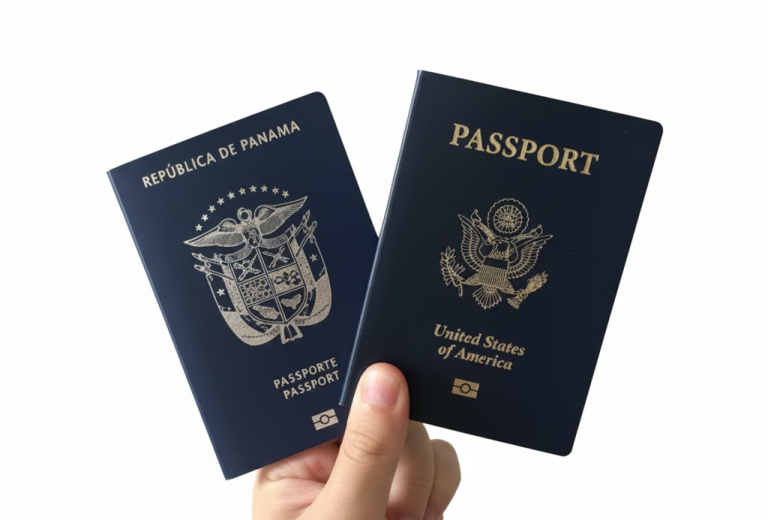
What if one passport gave you stability while another opened the door to greater freedom, international opportunity, and financial flexibility? For many professionals, investors, and retirees considering life abroad, that possibility is exactly what draws them to Panama.
But before making the move, one important question always comes up. Does Panama actually allow dual citizenship?
The short answer is yes. And once you understand how Panamanian law approaches nationality, you may realize the country offers far more flexibility than most people expect.
What the Law in Panama Says
The legal framework that governs nationality in Panama is established in the country’s Constitution, originally adopted in 1972 and amended several times over the years. These provisions define who qualifies as a Panamanian citizen and how citizenship is maintained.
One of the most important rules appears in Article 13 of the Constitution. It states that Panamanians by birth do not lose their citizenship, even if they later acquire another nationality. In practical terms, this means that someone born in Panama remains a Panamanian citizen regardless of whether they hold a second passport.
For foreigners who obtain citizenship through naturalization, whether through legal residency, marriage to a Panamanian national, or family connections, the process includes taking an oath of loyalty to Panama and its constitutional order. This oath confirms a commitment to respect and uphold the country’s laws.
However, in practice, Panamanian legislation does not strictly require applicants to formally renounce their original nationality during the naturalization process. Because of this, many individuals who become Panamanian citizens are able to keep their original passport while also enjoying the rights and legal protections that come with Panamanian citizenship.
In simple terms, Panama expects loyalty to its legal system, but it also recognizes that many people today live internationally. This balance allows naturalized citizens to maintain ties to their country of origin while building a new life in Panama.
How It Works in Everyday Life
In real life, Panama takes a practical and flexible approach to dual citizenship. Many individuals from the United States, Canada, and across Europe successfully obtain Panamanian citizenship while continuing to hold their original passport. For people building an international lifestyle, this makes Panama particularly attractive.
That said, there are a few practical details worth understanding. Certain public positions in Panama are reserved exclusively for citizens who hold only Panamanian nationality. When traveling internationally, consular assistance generally comes from the country whose passport you use to enter or leave a destination. And if you come from countries such as the United States, your tax obligations may still follow you globally, even after obtaining another citizenship.
For most people, however, these points are relatively small compared to the overall advantages. In many cases, dual citizenship in Panama allows you to expand your global mobility, strengthen your personal and financial security, and still maintain important legal ties to your country of origin.
Something Unique Is Happening in Panama, and You’ll Want to Be Part of It
Panama is no longer viewed simply as a destination for retirees or traditional investors. In recent years, it has quietly become a strategic hub for individuals who value privacy, personal freedom, and greater control over their financial future.
A Panamanian passport offers visa-free or visa-on-arrival access to more than 140 countries, making international mobility far easier. At the same time, Panama’s territorial tax system means that only income earned within the country is subject to local taxation, an advantage that continues to attract entrepreneurs, remote professionals, and internationally mobile families.
Once you become a citizen, you gain the right to live, invest, and build your future in one of the most stable and business-friendly countries in the region.
Even more importantly, this opportunity does not have to stop with you. In many cases, citizenship can also extend to your spouse and children, transforming a personal decision into a lasting advantage for your entire family.
Who Can Qualify for Citizenship
Panama offers several legal pathways for those who wish to obtain citizenship, depending on your personal connection to the country.
If you were born in Panama, you are automatically considered a Panamanian citizen, regardless of the nationality of your parents. The same principle can apply if you were born abroad but have Panamanian parents, in which case you may be eligible to claim citizenship by descent.
Foreign nationals can also qualify through naturalization. In most cases, this becomes possible after five years of legal residence in Panama. The timeline may be shorter in certain situations, such as if you are married to a Panamanian citizen or have Panamanian children, where eligibility can begin after three years of residency.
If you want to better understand how each pathway works and which one may apply to your situation, you can learn more on our page about Panamanian citizenship.
Why Professional Guidance Changes Everything
Obtaining citizenship is not simply a matter of filling out a form. It represents a legal change in your status, your rights, and often your long-term international strategy. Because of this, having professional guidance can make a significant difference in how smoothly the process unfolds.
Panama’s immigration and naturalization procedures require proper documentation, compliance with legal timelines, and coordination with government authorities. Small mistakes or incomplete filings can delay an application or create unnecessary complications that could have been avoided from the beginning.
At Agroup Consulting, we guide clients through the entire process with clarity and precision. Our team reviews your eligibility, prepares the required documentation, manages filings with the National Migration Service, and ensures that every step follows the legal standards established in Panama.
Clients trust us because we combine immigration expertise with a strong understanding of international tax and asset protection considerations. This allows you to move forward with confidence, knowing your residency or citizenship strategy is structured correctly from the start and designed to protect both your status and your long-term peace of mind.
A Final Thought
So, does Panama allow dual citizenship? In practice, yes. And that is exactly what makes the country so appealing to people who think internationally. It gives you the opportunity to keep your original passport while becoming part of a country that values stability, opportunity, and personal freedom.
For many professionals, investors, and families, Panama represents more than a relocation. It becomes a strategic decision about where to build the next chapter of life, with greater mobility and long-term security.
If you have been considering this path, the most important step is starting with the right guidance. Understanding your eligibility, preparing the correct documentation, and structuring the process properly from the beginning can make all the difference.
You can start by learning more about our Panamanian Citizenship Services and how our team can guide you through every stage of the process. With the right strategy in place, your second passport can become one of the most valuable decisions you make for your future.
FAQ
Can I keep my U.S. or European passport if I become Panamanian?
Yes. In practice, Panama allows individuals to retain their original nationality while obtaining Panamanian citizenship. This means many applicants are able to keep their existing passport while enjoying the rights that come with becoming a Panamanian citizen.
Do I need to live in Panama permanently?
No. Once you obtain Panamanian citizenship, you are not required to live in the country full time. However, maintaining some connection to Panama, such as property ownership, business activity, or periodic visits, is generally considered a sensible approach for those who want to keep strong ties to the country.
How long does the process take?
In most cases, foreign residents become eligible to apply for citizenship after five years of legal residence. Certain situations, such as marriage to a Panamanian citizen or having Panamanian children, may allow applicants to qualify sooner, typically after three years. The full process can vary depending on the visa category and individual circumstances.