
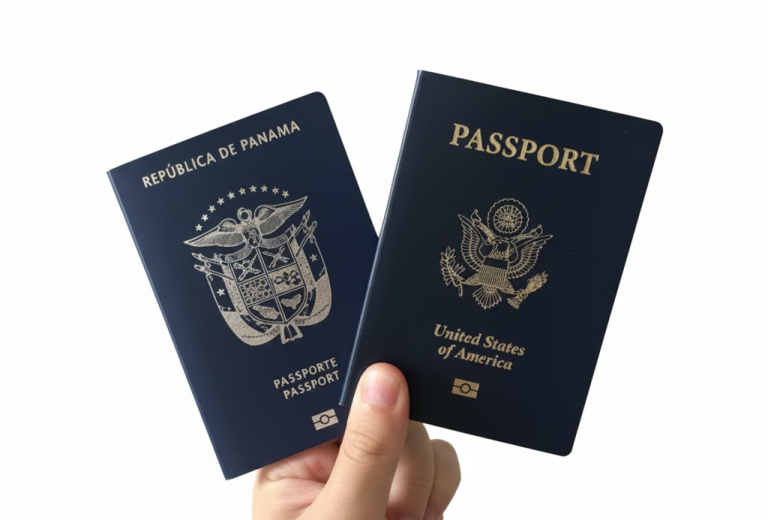
The idea of “countries without extradition” often appears in online searches and international discussions. Many people wonder whether there are places where someone could legally relocate or travel without immediately facing extradition requests from another country.
The reality, however, is far more complex than most headlines suggest. Extradition laws depend on international treaties, diplomatic relationships, and cooperation between governments. Because of this, understanding how extradition actually works requires looking beyond simple lists of countries.
If you are researching this topic, you are likely trying to understand which countries have extradition agreements, how these treaties operate, and whether Panama is considered one of the countries without extradition.
How Extradition Between Countries Actually Works
When people search for countries without extradition, they usually want to understand where someone could legally travel or relocate without immediately facing extradition to another jurisdiction. Extradition is a formal legal process in which one country transfers a person accused or convicted of a crime to another country so that they can face prosecution or serve a sentence.
Whether a country has an extradition treaty depends on diplomatic agreements, international law, and political relationships between governments. Some countries maintain extensive networks of extradition treaties, while others have far fewer formal agreements.
Countries that are often mentioned in discussions about limited or non-existent extradition treaties include:
- Maldives
- Vietnam
- Cambodia
- Nepal
- Belarus
- Madagascar
However, it is important to understand that the absence of a formal treaty does not automatically mean extradition cannot occur. Many governments cooperate through international mechanisms such as Interpol, which can issue Red Notices and facilitate law enforcement cooperation between countries.
Is Panama a Country Without Extradition?
A common question people ask is whether Panama appears on the list of countries without extradition agreements. The simple answer is no. Panama maintains multiple extradition treaties with other nations, including the United States, Spain, Colombia, and several additional countries.
In fact, Panama signed its first extradition treaty with the United States as early as 1904, and that agreement remains in force today. The treaty covers a broad range of serious criminal offenses, which means Panama has the legal framework to cooperate with international authorities and process extradition requests when the conditions established by law are met.
For this reason, viewing Panama as a “non-extradition country” is a common misunderstanding. The country maintains strong diplomatic and legal relationships with many nations and regularly cooperates with international partners on matters related to criminal justice and extradition.
Why People Sometimes Confuse Panama With a Non-Extradition Country
Panama occasionally appears on informal online lists of so-called “non-extradition countries,” but this perception usually comes from misunderstandings about how the country operates rather than from its actual laws.
One reason is geography. As a major hub connecting North and South America, some people assume Panama is distant or independent enough to avoid legal cooperation with other nations. In reality, Panama maintains strong diplomatic and judicial relationships with many countries.
Another factor is Panama’s territorial tax system. Because the country generally taxes only income generated within Panama, it has gained a reputation as a place that offers financial flexibility for international entrepreneurs and investors. This reputation sometimes leads people to mistakenly associate Panama with jurisdictions that avoid international cooperation.
Panama has also historically offered strong financial and corporate privacy protections. While these policies attracted global investors for decades, recent regulatory reforms have significantly increased transparency and compliance with international standards.
These characteristics continue to attract retirees, investors, and digital professionals from around the world. However, none of these features change the fact that Panama maintains active extradition treaties and cooperates with other countries under international law.
Living Legally in Panama Instead of Searching for “No Extradition” Countries
While some online discussions focus on finding countries without extradition, most foreigners looking at Panama are motivated by something far more practical. They are searching for a stable place to live, invest, retire, or build an international lifestyle within a clear legal framework.
In that sense, Panama stands out as one of the most attractive destinations in Latin America. The country offers several well-established residency programs designed for foreign nationals. Options such as the Friendly Nations Visa, the Pensionado Visa, and the Qualified Investor Visa allow individuals and families to obtain legal residency through straightforward and transparent procedures.
Panama’s territorial tax system is another major advantage. In general, only income generated within Panama is subject to local taxation, while foreign-sourced income is not taxed by the country. For entrepreneurs, remote professionals, and international investors, this structure can create significant financial flexibility when properly planned.
Daily life in Panama is also appealing for many expats. The cost of living remains relatively affordable compared to many Western countries, healthcare services are modern and accessible, and Panama’s international airport offers direct flights to the United States, Europe, and across the Americas.
Just as important is the legal certainty the country provides. Panama’s residency and investment programs are backed by established immigration laws, giving foreign nationals a predictable path toward long-term residency and, eventually, citizenship.
For these reasons, many Americans, Canadians, and Europeans choose Panama not as a place to avoid legal obligations, but as a legitimate and stable destination to relocate, invest, or retire.
Final Thoughts: Why Panama Still Attracts Foreigners
Panama may not appear on the list of so-called non-extradition countries, but it remains one of the most attractive destinations in the region for legal residency, investment, and retirement. Its combination of structured immigration programs, tax advantages, and strong international connectivity continues to attract thousands of foreigners every year.
For many individuals and families, Panama offers something increasingly difficult to find elsewhere: a stable country where you can legally establish residency, manage international income, and maintain long-term personal and financial security.
If you are considering Panama as part of your relocation, retirement, or investment plans, the most important step is understanding which immigration pathway fits your situation. Programs such as the Friendly Nations Visa, Pensionado Visa, and investment visas each have different requirements and timelines.
You can explore these options in more detail on our Panama Visa Services page, where we explain the available residency programs and how the process works. The team at Agroup Consulting assists clients throughout the entire process to ensure every step complies with Panamanian immigration law.